By Boniface Keakabetse
In the dusty ploughing fields of Mochaba, just outside Shorobe village in Botswana’s Ngamiland District, 68-year-old Bakae Maphare lives a life shaped by the rhythms of the land. A dedicated farmer, he has long cultivated maize, millet, beans, and watermelon—timing his planting with the first breath of rain, often harvesting before others even begin. His hands bear the calluses of decades in the soil. But in 2024, everything changed.
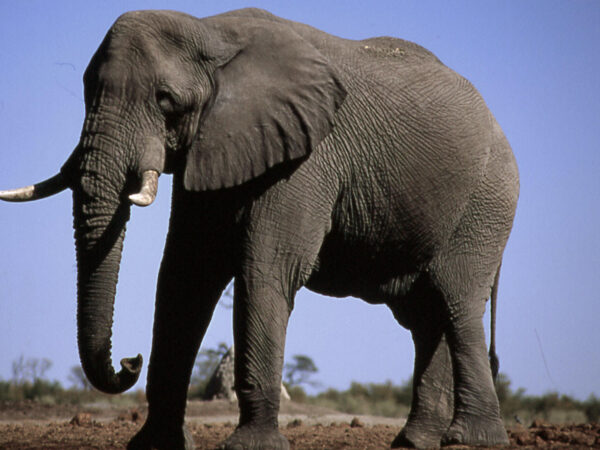
On the morning of May 3rd, while guarding his crops from a wandering herd of elephants, Maphare’s routine became a fight for survival. He fired warning shots into the air, hoping to scare the herd away. But one bull elephant, furious and unafraid, charged him. It gored him savagely—its tusk driving from his armpit through to his shoulder blade. That he survived is nothing short of a miracle. That he can no longer farm the way he used to is a tragedy.
Now, as he recovers in his village, Maphare waits—hoping that the government will act, that communities like his won’t be forgotten, and that the conflict between humans and elephants won’t continue to be settled by blood.
But Maphare’s story is more than just a local tragedy. It’s the living symbol of a global debate. And as Southern Africa enters another unpredictable season, a new storm brews—this time in the halls of international diplomacy.

CITES CoP20: The Battle Beyond the Savannah
From November 24 to December 5, 2025, the world will turn its attention to Samarkand, Uzbekistan, host of the 20th Conference of the Parties (CoP20) to the Convention on International Trade in Endangered Species of Wild Fauna and Flora (CITES).
The venue is the grand Silk Road Samarkand Congress Center, where delegates in suits will exchange prepared speeches across polished floors. But beneath the formality lies a fierce ideological divide. At stake: the fate of the African elephant, and the future of conservation itself.
Southern Africa will enter the negotiations as a united bloc—Botswana, Namibia, Zimbabwe, and South Africa—armed with science, conservation success stories, and a proposal that’s as controversial as it is bold: to reopen regulated international trade in certain elephant products.
Opposing them will be Kenya and the African Elephant Coalition, representing many East and West African nations. Their position is unwavering: a total, continent-wide ban on all ivory trade, no exceptions.
This is the African Elephant War—fought not with bullets, but with policy papers and philosophies.
Why Africa is Divided
The split runs deep, rooted in history, ecology, and ideology.
Southern Africa has spent decades building strong conservation frameworks—community-based wildlife management, anti-poaching units, and economic incentives tied to wildlife. These efforts have paid off. Botswana alone now hosts more than 130,000 elephants, leading the region to feel punished by policies that restrict their ability to benefit from this success.
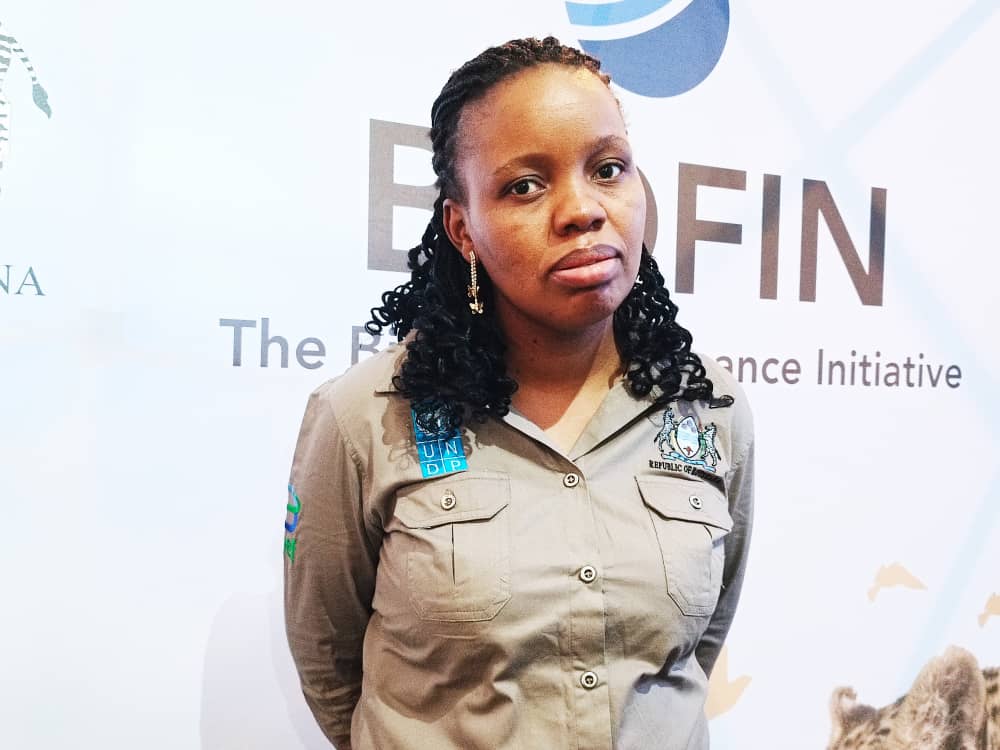
“These elephants are both an opportunity and a curse,” says Abigail Khumoyame, Deputy Permanent Secretary in Botswana’s Ministry of Environment and Tourism. “They destroy our properties and livelihoods. We believe controlled trade can help us reinvest in conservation.”
The southern bloc is advocating for an amendment to Annotation A10 of Appendix II, allowing:
- Permit trade in hunting trophies
- Allow live elephant exports to acceptable destinations
- Authorize trade in hides, leather, and hair
- Maintain strict oversight of registered ivory stockpiles
They argue this is not about profiteering—it’s about fairness. “We have followed the rules,” says Khumoyame. “We are conserving elephants. But we’re being punished for our success.”
The Eastern Wall: Total Protection at Any Cost
Kenya, meanwhile, counters with urgency and emotion. Backed by the African Elephant Coalition, it demands that all African elephants be uplisted to Appendix I, effectively banning all commercial trade.
To them, any legal ivory market—no matter how regulated—is a loophole for corruption and poaching. “You cannot open the door halfway to a thief,” a Kenyan official remarked at a previous CoP. “Either you protect elephants, or you sell them.”
In this vision, elephants are not commodities. They are heritage—living symbols of African identity.
Two Visions. One Continent. One Elephant.
This debate is not just about tusks or trade routes. It is about sovereignty, trust, and whose voice matters in global conservation.
Southern Africa sees CITES as a Western-dominated framework that ties the hands of successful stewards. East and West Africa see it as a vital safeguard—imperfect but necessary to curb illegal exploitation.
Caught in the middle is the African elephant. Not just a majestic animal, but a mirror to our competing truths.
Back in Shorobe, Bakae Maphare still dreams of farming again. He still believes elephants and people can coexist. But until the world settles its debate in distant Samarkand, fields like his will remain battlegrounds—not just of survival, but of ideology.