As African Bush Camps (ABC) opens the doors to its latest eco-luxury lodge, Azaro Okavango Camp, founder Beks Ndlovu is shining a spotlight on more than just safari experiences—he’s reaffirming a long-standing commitment to community empowerment and conservation. Drawing on nearly two decades of grassroots development through the African Bush Camps Foundation, Ndlovu sees Azaro as a new opportunity to replicate the foundation’s proven model in the nearby village of Ditshiping.
The origin of ABC is deeply rooted in social and environmental justice. When Ndlovu launched the first ABC camp in 2006, his vision extended beyond tourism—it was about restoring balance between people, land, and wildlife. With the establishment of the African Bush Camps Foundation at the same time, this mission took concrete form. The foundation’s work is built on three key pillars: education, community empowerment, and conservation.
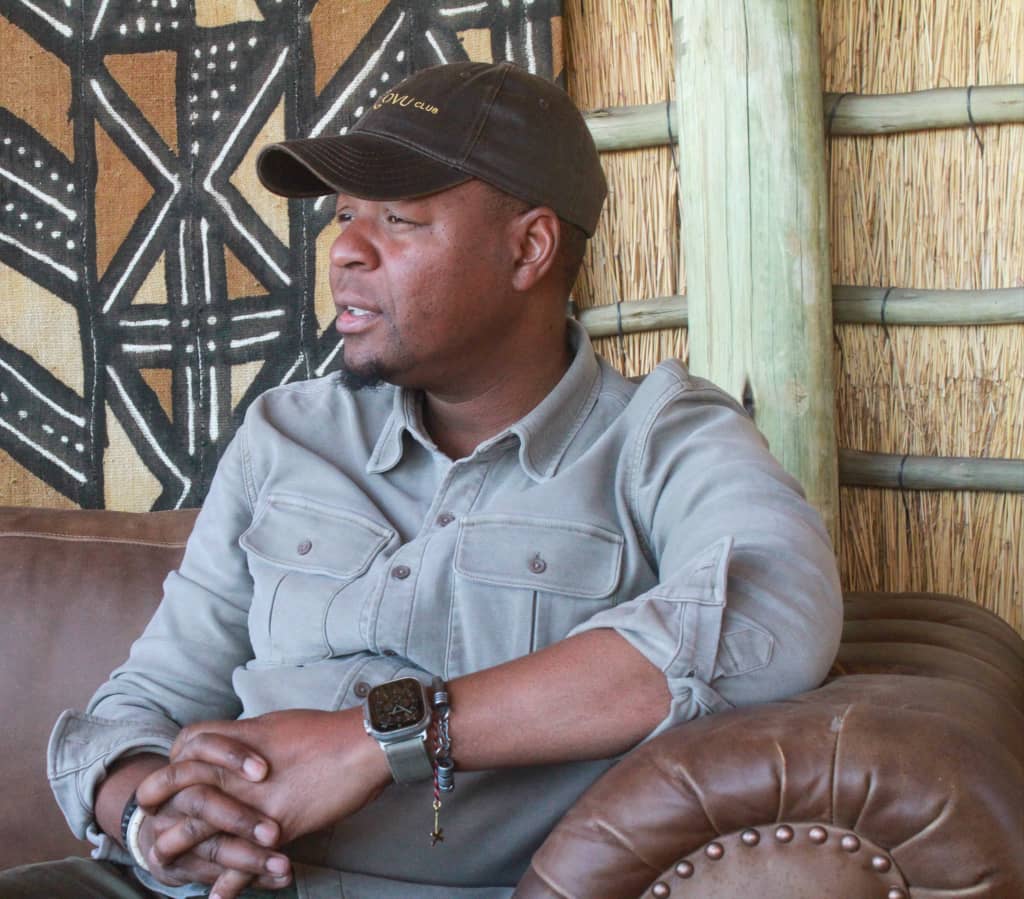
“We started with inspiration from global pioneers like Patagonia,” Ndlovu explains. “That’s why we committed to giving one percent of our total turnover to the foundation—to directly support the communities where we operate.”
Laying the Foundation in Ditshiping
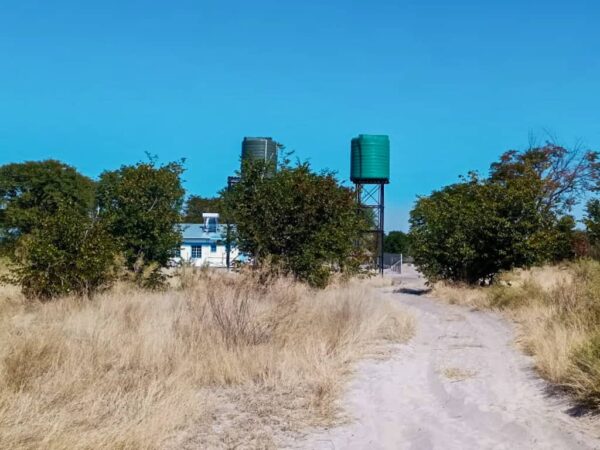
In Ditshiping, ABC is bringing this legacy to life. A flagship initiative is the creation of a community garden, fully funded and developed by ABC. Sixty percent of its produce will be directed toward improving local nutrition, especially among children, while forty percent will be sold to generate income for the village. ABC is training residents in sustainable farming techniques, with the aim of handing over full control of the enterprise within a year. “We want to leave communities better than we found them,” says Ndlovu.
This holistic approach addresses more than just food security. Across its operations, ABC has drilled boreholes, installed solar-powered electricity, and extended internet access to schools and clinics—foundational infrastructure often missing in remote wildlife areas. These efforts not only reduce health risks (like fetching water from crocodile-infested rivers) but also create a stable environment for learning and healthcare.
Education and Healthcare: Building Blocks for the Future
ABC Foundation’s education support spans from school feeding programs—like those in Khwai Village, where preschoolers receive daily meals—to building clinics, as seen in Zambia’s Maunga community. The Maunga Health Centre, with its maternity ward, solar power, and on-site nurse accommodation, is a beacon of what’s possible when rural healthcare is prioritized.
This same level of care is being considered for Ditshiping. As Ndlovu emphasizes, “You can’t expect children to succeed in school if they’re hungry or walking miles for clean water. So we start by addressing the roots of the problem.”
Uplifting Through Skills and Enterprise
Another powerful aspect of ABC’s work is its focus on women and marginalized groups. In areas where women live independently and struggle to feed their families, the foundation taps into local skills like basket weaving and sewing. These crafts are transformed into enterprise opportunities—creating robes, napkins, and other lodge supplies bought directly by ABC.
“By buying from them, we help these communities reclaim their lives and move beyond survival toward entrepreneurship,” says Ndlovu.
Partnership and Vision
ABC’s model thrives on collaboration. Guests, trade partners, and donors are all invited to contribute to this shared vision of a thriving African landscape—where communities are no longer left behind by tourism but are instead its driving force.
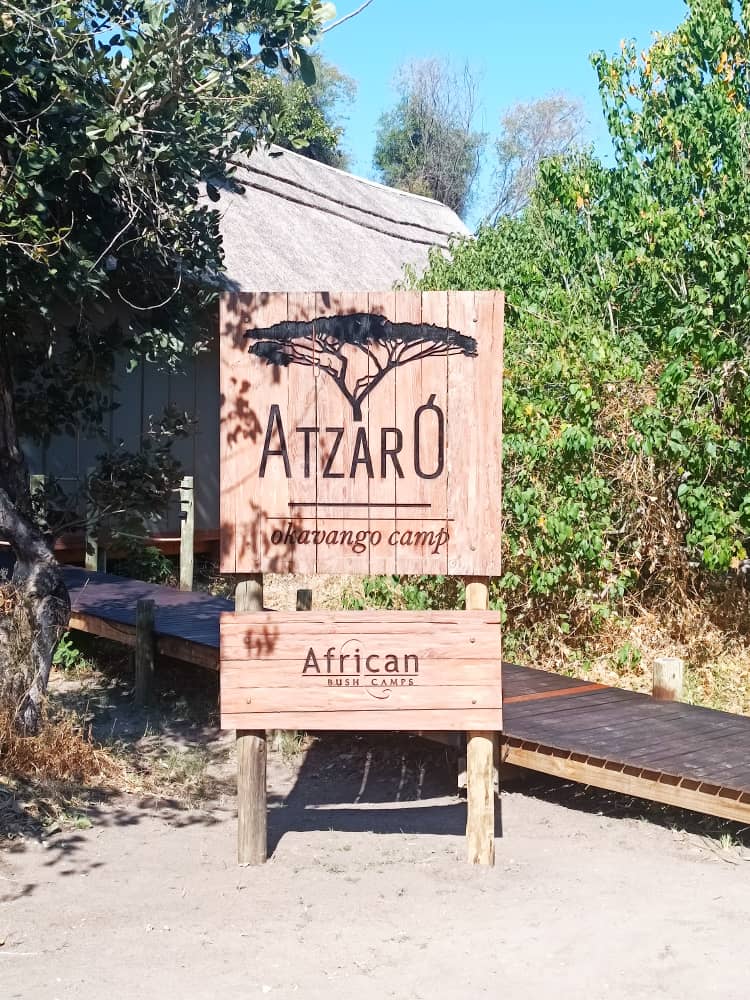
As Azaro Camp takes root in the Okavango Delta, it symbolizes more than luxury—it embodies a tested and transformational legacy. One where Ditshiping, like other ABC partner communities, can look forward to a future of dignity, opportunity, and growth.