By Boniface Keakabetse
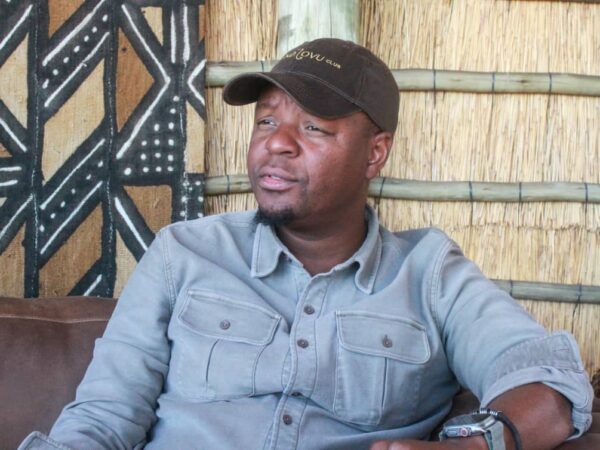
Maun, Botswana — African Bush Camps (ABC) founder and CEO, Beks Ndlovu, has launched a scathing critique of Botswana’s High Value, Low Volume (HVLV) tourism policy, calling it a misleading narrative crafted by entrenched industry players to block competition, restrict growth, and limit opportunities for indigenous entrepreneurs.
The HVLV approach, central to Botswana’s tourism strategy for decades, focuses on attracting fewer tourists who spend more money per capita, ostensibly to minimize environmental impact. However, critics like Ndlovu argue that the policy has frozen out local innovators and SMEs, reducing the potential for job creation and equitable development, particularly in rural communities.
In an exclusive interview, Ndlovu, one of Southern Africa’s few indigenous luxury safari operators, described the policy as a product of what he termed the “tourism mafia”—a group of dominant stakeholders who benefit from exclusivity and high pricing at the expense of inclusive economic development.
“It’s a rhetoric everyone repeats, but no one questions,” Ndlovu said. “The real message behind High Value, Low Volume is: ‘Don’t develop any further. We’re happy with the few beds available because it allows us to charge like a wounded buffalo.’”
He warned that while the policy is presented as a conservation-focused strategy, its true effect has been to preserve the status quo and limit access for new entrants—especially indigenous citizens. According to Ndlovu, concessions tied up for 15 to 30 years create significant barriers to entry for local operators, most of whom are restricted to mobile safaris rather than owning permanent, high-end camps.
“Tell me which indigenous Motswana is operating a camp at this level,” he challenged. “They’ve been kept on the periphery while luxury tourism is reserved for a select few.”
Ndlovu further criticized the lack of inclusive policy design, questioning whether traditional leaders and affected communities were ever meaningfully consulted about Botswana’s tourism direction.
“Did the chief of Ditshiping say, ‘We want high value, low volume tourism’? Who explained that to him? Or was it imposed from the top down?” he asked.
Despite operating in the luxury space himself, Ndlovu advocates for a balanced tourism model, where exclusivity exists alongside other tourism options to stimulate wider participation and job creation.
“You can have the $4,000-a-night camps, but you also need areas that welcome more volume at different price points. That’s what a healthy tourism economy looks like,” he argued.
Drawing a parallel with the fashion industry, Ndlovu noted: “There’s Gucci and there’s other brands. They all have value. But if you only promote Gucci, you’re excluding millions who want to participate—and that’s what’s happening here.”
He also dismissed comparisons to overdeveloped destinations like the Masai Mara or Serengeti, calling Botswana “underdeveloped” and “immature” as a tourism destination.
“On your game drive here at Azaro this morning, how many other vehicles did you see? Yet we’re told Botswana is overdeveloped. That’s not true—there’s plenty of room to grow if it’s done responsibly.”
While acknowledging the need for regulation and proper land-use planning, Ndlovu called for community-centered consultation and diversified tourism development, warning that continued reliance on exclusivity will suppress economic growth and deny youth vital employment opportunities.
“As Africa we’ve been independent for nearly 50 years—we can’t keep blaming colonial structures,” he said. “It’s time to shape a tourism industry that serves Africans, not just the privileged few.”
Corruption and Poor Governance Challenges in Botswana’s CBNRM Programme
Botswana’s Community-Based Natural Resources Management (CBNRM) programme has been a cornerstone of the country’s tourism development, especially on tribal lands. These communal lands serve as a form of empowerment for local communities, who are encouraged to enter into partnerships with tourism operators through lease agreements. This model aims to ensure that tourism directly support community development.
However, Ndlovu, an investor involved in the sector, has raised concerns about systemic corruption within the programme, attributing it largely to poor governance structures within the Trusts managing these community lands. He emphasizes that while CBNRM has noble intentions, the reality falls short due to mismanagement.
“As investors, we pay lease fees and traversing fees with good intentions, but it’s often very questionable how much of that financial resource actually reaches the communities,” Ndlovu stated. He added that dysfunctional governance structures leave communities feeling disenfranchised, fostering perceptions that wealthy tourism operators are benefiting without contributing appropriately to the land or its people.
Ndlovu insists that to address these issues, CBNRM governance and policies must be well aligned with government regulations and a clear legal framework. The root problem, he explains, lies with Trust Boards—custodians elected by the communities—who are mismanaging resources meant to uplift their people.
The call is clear: for Botswana’s CBNRM initiatives to truly empower communities and sustain tourism growth, robust governance and accountability mechanisms within Trusts must be established and enforced.